


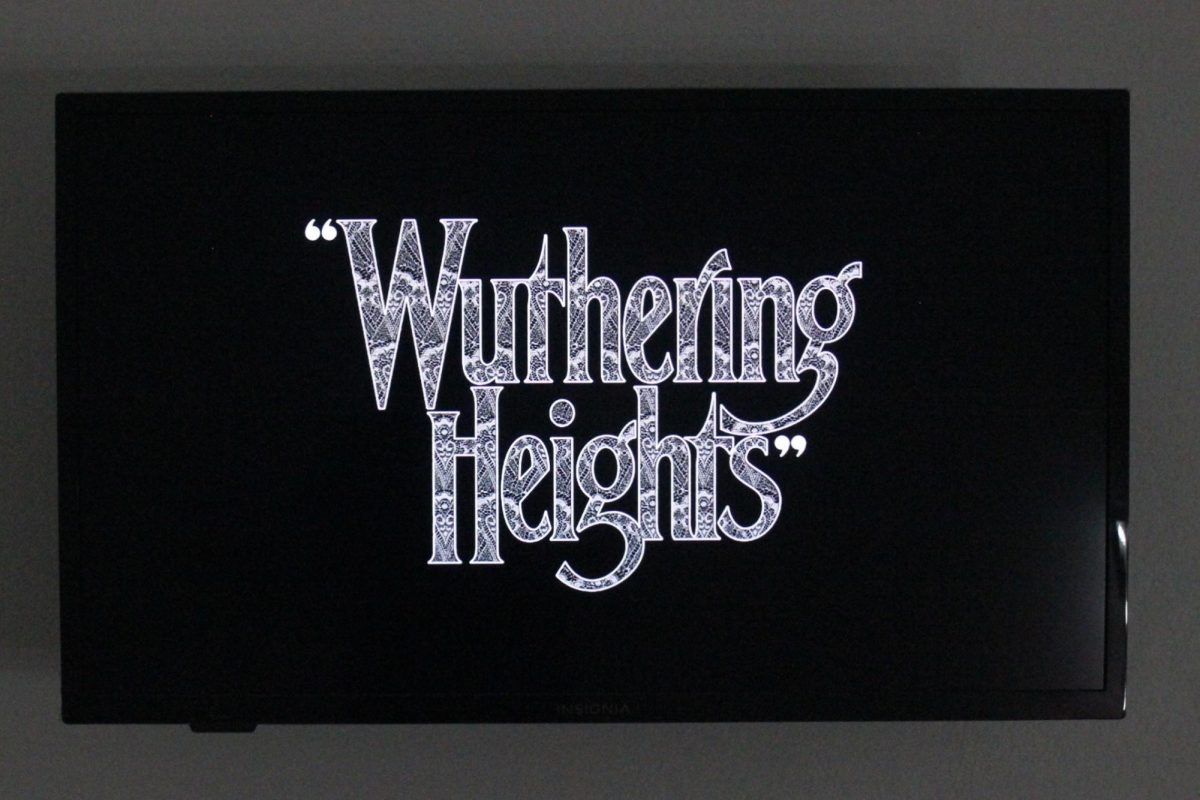
Emily Brontë’s Wuthering Heights has seen many adaptations since its publication in 1847, but the new 2026 film version brings the story back with a bold and emotional twist. Directed by Greta Halloran, this latest take stays true to the novel’s dark themes of love, revenge, and isolation, while giving it a more modern and realistic style that’s connecting with audiences of all ages.
The movie retells the turbulent relationship between Catherine Earnshaw and Heathcliff, two people whose love is both powerful and destructive. Instead of focusing on complex dialogue or polished romance, Halloran decides to put emotion first. Wide shots of the moors, harsh winds, and long silences all build the same tension that runs through the book, but in a very different way. The camera work feels natural, and from the audience, it feels like you’re quietly watching their world fall apart.
“The way the film is directed makes it feel just that more real, the actors don’t seem like they are performing, rather part of the world that Brontë created,” mentions sophomore Abby Gonzalez, “it was a true cinematic experience.”
For many fans, one of the biggest topics of discussion is the casting of Margot Robbie as Catherine and Jacob Elordi as Heathcliff. Cardenas’s version of Heathcliff shows pain and anger but also softness and grief, a side that isn’t always as visible in other film versions. Their chemistry on screen definitely feels unpredictable, which makes the story’s ending hit even harder.
Mika Burian, in 10th grade, states, “The actors completely surprised me; Robbie and Elordi bring raw emotion throughout the movie, completely hooking the audience from the very beginning.”
Compared to the novel, the 2026 film simplifies parts of the story. Some characters—like Nelly Dean and Edgar Linton—have smaller roles, and the entire second half of the book, which focuses on the next generation, is mostly left out. What the movie keeps, though, is the emotional nature of the storyline: how love can consume people and drive them to destroy the very thing they care about most.
“Despite many of the scenes in the book being left out of the film, veering off the original storyline brings excitement for what is to come, giving the audience a fresh tale,” says Gonzalez.
Halloran’s direction gives the story a more modern edge, especially with its use of natural lighting and sound design. There’s a strong focus on atmosphere instead of words, showing how feelings can sometimes speak louder than speech itself. The result is a version of Wuthering Heights that feels current and classic—a story about love, pain, and destruction.