

Martin Luther King Day has been a federal holiday since signed into law by President Ronald Reagan in 1983, for the third January each year, marking the first nationwide observance in 1986. As of 2026, the event has been celebrated for over 40 years, including holding marches nationwide, which Meridian participates in.
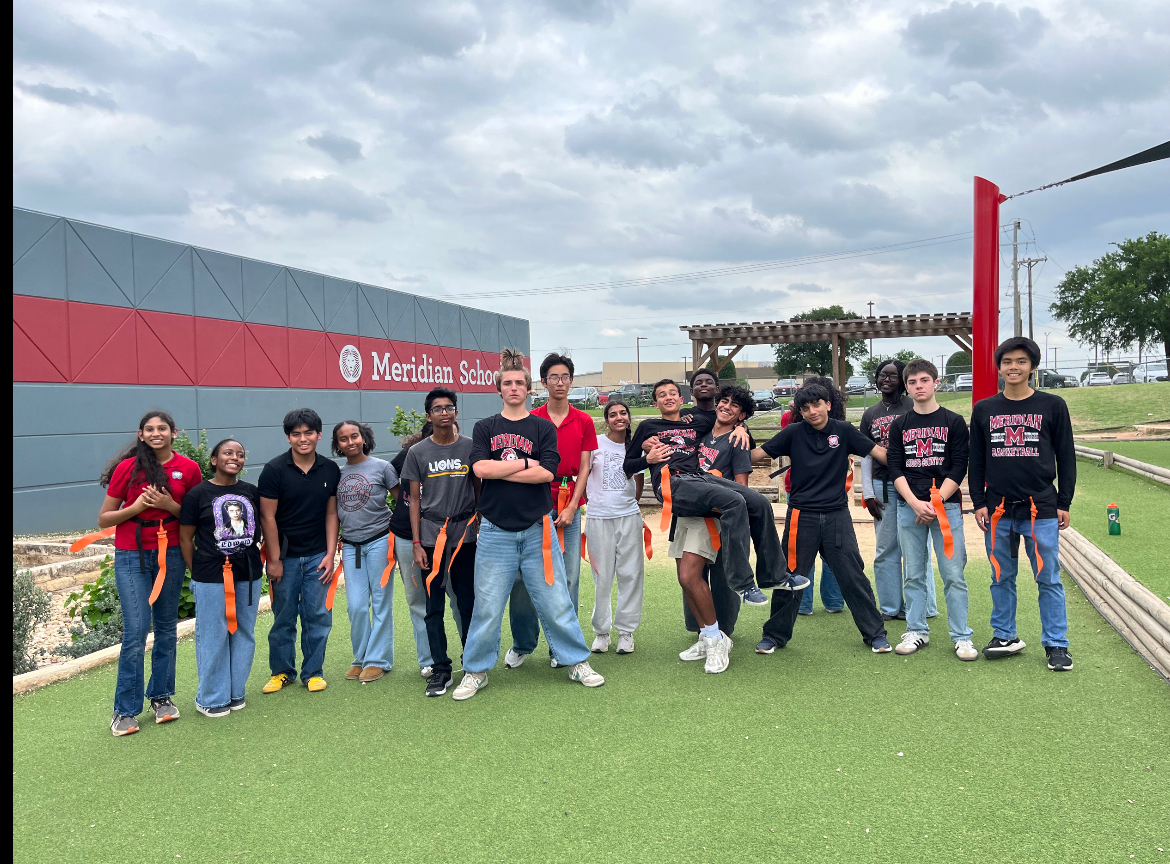
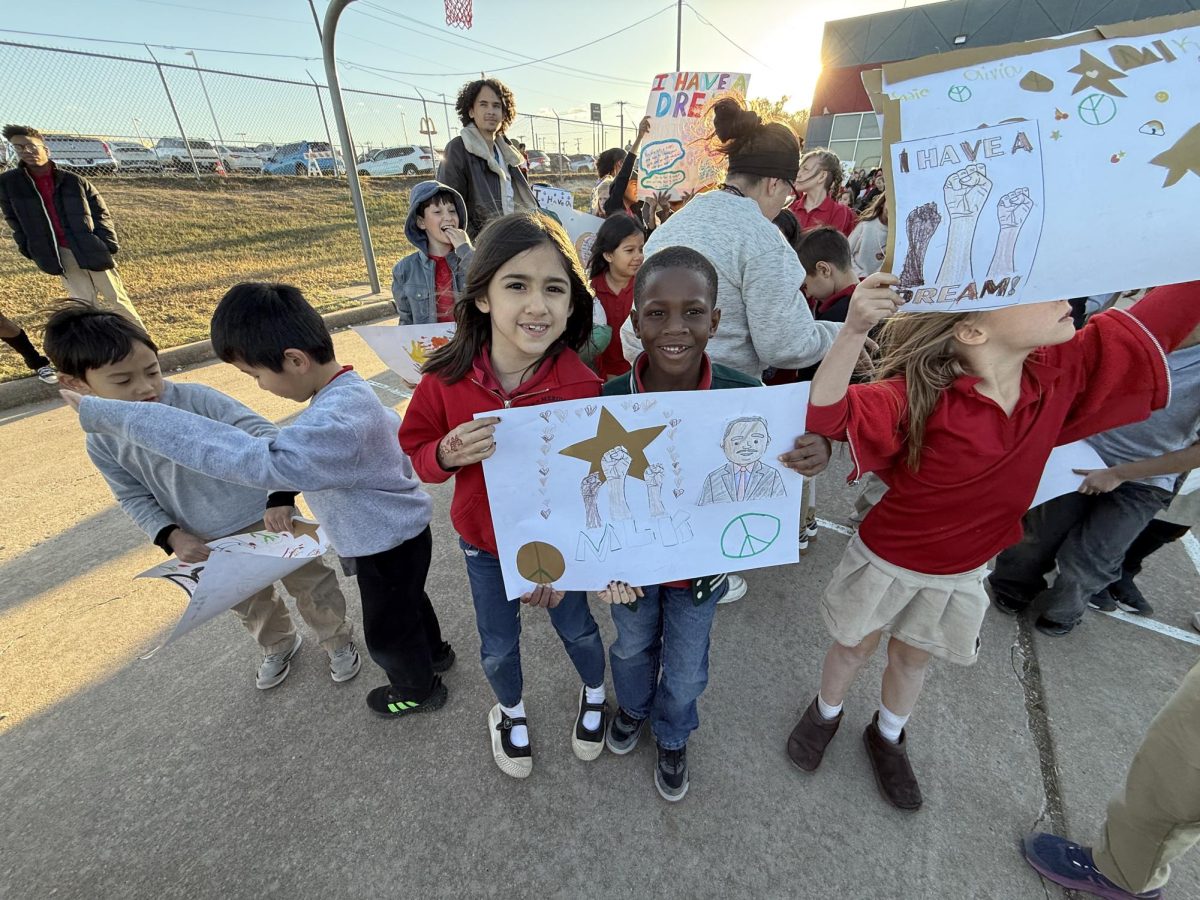
There are thousands of marches across the United States held to celebrate King’s success, and Meridian is no exception. On January 14th, Meridian’s Triple-A Program hosted the march, not only to recognize MLK’s achievements, but to also educate young minds on critical parts of American history.
The holiday is a highlight of MLK’s life, legacy, and dream, emphasizing his leadership in the Civil Rights Movement for racial equality, nonviolent protests, justice, and human dignity. It commemorates his fight against discrimination and segregation, and calls for sustainability in the efforts for social justice and voting rights, recognizing his advocacy for women, workers, and LGBTQ+ rights as well.
Involving students in the planning and execution of the march gives them ownership and helps them understand the responsibility that comes with leadership. When students help organize and participate, they learn the importance of teamwork, communication, and civic engagement; additionally, it ensures the event reflects student voices and perspectives, making it more authentic and meaningful.
Everyone was invited to march and participate alongside the leaders of school culture, students, and representatives from various clubs, such as the Black Student Union. The event opened with student-led speeches and a performance from the Black Culture Choir, followed by a march around the school parking lot, where everybody was welcome to join.
“One of the biggest highlights was seeing students, teachers, families, and community members come together with a shared purpose,” states Monique Swain, the Dean of School Culture at Meridian.
The Black Culture Choir’s performance of Lift Every Voice and Sing was especially powerful, followed by inviting the entire crowd to join in Stevie Wonder’s Happy Birthday, which created a strong sense of unity. A meaningful moment was hearing the Black Student Union President, Alexis Gachomo, deliver the welcome speech, along with more than 15 K–5 students who confidently presented their speeches. Each K-5 student began with “I have a dream,” which was incredibly impactful and showed how Dr. King’s message continues to inspire even the youngest voices.
Swain shares, “Beyond the event itself, I hope it inspires students to take action in small but meaningful ways, whether that’s standing up for others, getting involved in service, or continuing to learn about social justice issues. Ideally, the impact does not end when the day is over. I hope the impact of this event lasts forever.”
Participating in the parade assists students in seeing that Dr. King’s legacy is not just history; it is still relevant today. Being a part of the event encourages students to think about how his work connects to current issues and their own lives. Seeing peers lead, younger students speak, and the community come together reinforces the idea that change happens when people show up, speak out, and work together, ultimately encompassing the overall essence that King wished to take action on.